Letting go to grow: winter as a pause button
In this blog post, we invite you to explore together the power of winter energy, the role of the Self-Observer in coaching, the dance between Eros & Thanatos in the contact cycle, and what all of this means for your growth.

Magaly De Smet

Winter: the forgotten phase of growth
Nature truly has no trouble with rest.
Trees draw their energy inward.
Many animals hibernate.
The days are short, the nights dark and long.
The ground becomes still and freezes.
And yet, a great deal is already happening in winter.
There is no “visible” growth — but beneath the surface, an enormous amount is taking place.
Many trees are already forming leaf and flower buds that quietly overwinter.
While everything above ground seems still, the tree redirects its energy to the roots, which continue to grow and store nutrients.
Some animals, such as certain birds or insects, already begin preparing their activities in winter: gathering nesting material, building food reserves.
We humans can certainly draw inspiration from this.
Instead of finishing everything “because it’s the end of the year,” we might ask ourselves:
Do all those deadlines really have to be finished right now?
To what extent does all of this actually serve me?
Am I obliged to organise that celebration at my place perfectly?
Or can I be creative and work potluck-style: everyone brings something tasty to share?
Winter is an invitation to pause, to breathe, to set priorities, to focus, and to reconnect with what truly matters.
👁️ The Self-Observer: your inner guide
The Self-Observer, also known as the internal observer, works much like a coach who guides you from the outside: it gives you the opportunity to become aware of what is happening within you and to gain insight into your own patterns. You learn, for example, to recognise your inner critic and can make much more conscious choices in your behaviour. Through this self-reflection and targeted self-questioning, your self-awareness grows, and you gain more control over your personal development and the achievement of your goals.
A concrete example:
Imagine you are a manager and notice that a team member repeatedly misses deadlines. Your first reaction may be frustration or irritation: you feel the urge to correct immediately or respond sternly.
By activating your internal observer, you take a step back and observe yourself:
What exactly am I feeling? Frustration, concern, disappointment?
What am I thinking about the situation? “They’re not working hard enough” or “I need to intervene”?
Which patterns do I recognise? Perhaps you notice that you tend to judge or correct quickly, without first listening.
From this awareness, you can choose a different response: instead of correcting right away, you opt for a conversation in which you curiously explore the cause of the delay, listen to the context, and look for solutions together with the team member.
Result
You no longer react automatically and emotionally, but rather consciously, proactively, and effectively. Your patterns become visible, your self-awareness increases, and the team member feels heard, which improves collaboration — ultimately benefiting the organisation as a whole.
Winter can also serve as a metaphor to activate the Self-Observer in a natural way.
Returning inward.
Listening.
Feeling.
Expanding perception: “How can I look differently at the same situation?”
Reframing.
Not from pushing, but from awareness.
The Contact Cycle: the movement between Eros and Thanatos
In our Shift & Grow Community for alumni and advanced (team) coaches, we recently discussed the contact cycle — a core model within Gestalt — and how two natural primal forces continuously play a role within it: Eros and Thanatos.
Winter: the forgotten phase of growth
Nature truly has no trouble with rest.
Trees draw their energy inward.
Many animals hibernate.
The days are short, the nights dark and long.
The ground becomes still and freezes.
And yet, a great deal is already happening in winter.
There is no “visible” growth — but beneath the surface, an enormous amount is taking place.
Many trees are already forming leaf and flower buds that quietly overwinter.
While everything above ground seems still, the tree redirects its energy to the roots, which continue to grow and store nutrients.
Some animals, such as certain birds or insects, already begin preparing their activities in winter: gathering nesting material, building food reserves.
We humans can certainly draw inspiration from this.
Instead of finishing everything “because it’s the end of the year,” we might ask ourselves:
Do all those deadlines really have to be finished right now?
To what extent does all of this actually serve me?
Am I obliged to organise that celebration at my place perfectly?
Or can I be creative and work potluck-style: everyone brings something tasty to share?
Winter is an invitation to pause, to breathe, to set priorities, to focus, and to reconnect with what truly matters.
👁️ The Self-Observer: your inner guide
The Self-Observer, also known as the internal observer, works much like a coach who guides you from the outside: it gives you the opportunity to become aware of what is happening within you and to gain insight into your own patterns. You learn, for example, to recognise your inner critic and can make much more conscious choices in your behaviour. Through this self-reflection and targeted self-questioning, your self-awareness grows, and you gain more control over your personal development and the achievement of your goals.
A concrete example:
Imagine you are a manager and notice that a team member repeatedly misses deadlines. Your first reaction may be frustration or irritation: you feel the urge to correct immediately or respond sternly.
By activating your internal observer, you take a step back and observe yourself:
What exactly am I feeling? Frustration, concern, disappointment?
What am I thinking about the situation? “They’re not working hard enough” or “I need to intervene”?
Which patterns do I recognise? Perhaps you notice that you tend to judge or correct quickly, without first listening.
From this awareness, you can choose a different response: instead of correcting right away, you opt for a conversation in which you curiously explore the cause of the delay, listen to the context, and look for solutions together with the team member.
Result
You no longer react automatically and emotionally, but rather consciously, proactively, and effectively. Your patterns become visible, your self-awareness increases, and the team member feels heard, which improves collaboration — ultimately benefiting the organisation as a whole.
Winter can also serve as a metaphor to activate the Self-Observer in a natural way.
Returning inward.
Listening.
Feeling.
Expanding perception: “How can I look differently at the same situation?”
Reframing.
Not from pushing, but from awareness.
The Contact Cycle: the movement between Eros and Thanatos
In our Shift & Grow Community for alumni and advanced (team) coaches, we recently discussed the contact cycle — a core model within Gestalt — and how two natural primal forces continuously play a role within it: Eros and Thanatos.
Winter: the forgotten phase of growth
Nature truly has no trouble with rest.
Trees draw their energy inward.
Many animals hibernate.
The days are short, the nights dark and long.
The ground becomes still and freezes.
And yet, a great deal is already happening in winter.
There is no “visible” growth — but beneath the surface, an enormous amount is taking place.
Many trees are already forming leaf and flower buds that quietly overwinter.
While everything above ground seems still, the tree redirects its energy to the roots, which continue to grow and store nutrients.
Some animals, such as certain birds or insects, already begin preparing their activities in winter: gathering nesting material, building food reserves.
We humans can certainly draw inspiration from this.
Instead of finishing everything “because it’s the end of the year,” we might ask ourselves:
Do all those deadlines really have to be finished right now?
To what extent does all of this actually serve me?
Am I obliged to organise that celebration at my place perfectly?
Or can I be creative and work potluck-style: everyone brings something tasty to share?
Winter is an invitation to pause, to breathe, to set priorities, to focus, and to reconnect with what truly matters.
👁️ The Self-Observer: your inner guide
The Self-Observer, also known as the internal observer, works much like a coach who guides you from the outside: it gives you the opportunity to become aware of what is happening within you and to gain insight into your own patterns. You learn, for example, to recognise your inner critic and can make much more conscious choices in your behaviour. Through this self-reflection and targeted self-questioning, your self-awareness grows, and you gain more control over your personal development and the achievement of your goals.
A concrete example:
Imagine you are a manager and notice that a team member repeatedly misses deadlines. Your first reaction may be frustration or irritation: you feel the urge to correct immediately or respond sternly.
By activating your internal observer, you take a step back and observe yourself:
What exactly am I feeling? Frustration, concern, disappointment?
What am I thinking about the situation? “They’re not working hard enough” or “I need to intervene”?
Which patterns do I recognise? Perhaps you notice that you tend to judge or correct quickly, without first listening.
From this awareness, you can choose a different response: instead of correcting right away, you opt for a conversation in which you curiously explore the cause of the delay, listen to the context, and look for solutions together with the team member.
Result
You no longer react automatically and emotionally, but rather consciously, proactively, and effectively. Your patterns become visible, your self-awareness increases, and the team member feels heard, which improves collaboration — ultimately benefiting the organisation as a whole.
Winter can also serve as a metaphor to activate the Self-Observer in a natural way.
Returning inward.
Listening.
Feeling.
Expanding perception: “How can I look differently at the same situation?”
Reframing.
Not from pushing, but from awareness.
The Contact Cycle: the movement between Eros and Thanatos
In our Shift & Grow Community for alumni and advanced (team) coaches, we recently discussed the contact cycle — a core model within Gestalt — and how two natural primal forces continuously play a role within it: Eros and Thanatos.
Winter: the forgotten phase of growth
Nature truly has no trouble with rest.
Trees draw their energy inward.
Many animals hibernate.
The days are short, the nights dark and long.
The ground becomes still and freezes.
And yet, a great deal is already happening in winter.
There is no “visible” growth — but beneath the surface, an enormous amount is taking place.
Many trees are already forming leaf and flower buds that quietly overwinter.
While everything above ground seems still, the tree redirects its energy to the roots, which continue to grow and store nutrients.
Some animals, such as certain birds or insects, already begin preparing their activities in winter: gathering nesting material, building food reserves.
We humans can certainly draw inspiration from this.
Instead of finishing everything “because it’s the end of the year,” we might ask ourselves:
Do all those deadlines really have to be finished right now?
To what extent does all of this actually serve me?
Am I obliged to organise that celebration at my place perfectly?
Or can I be creative and work potluck-style: everyone brings something tasty to share?
Winter is an invitation to pause, to breathe, to set priorities, to focus, and to reconnect with what truly matters.
👁️ The Self-Observer: your inner guide
The Self-Observer, also known as the internal observer, works much like a coach who guides you from the outside: it gives you the opportunity to become aware of what is happening within you and to gain insight into your own patterns. You learn, for example, to recognise your inner critic and can make much more conscious choices in your behaviour. Through this self-reflection and targeted self-questioning, your self-awareness grows, and you gain more control over your personal development and the achievement of your goals.
A concrete example:
Imagine you are a manager and notice that a team member repeatedly misses deadlines. Your first reaction may be frustration or irritation: you feel the urge to correct immediately or respond sternly.
By activating your internal observer, you take a step back and observe yourself:
What exactly am I feeling? Frustration, concern, disappointment?
What am I thinking about the situation? “They’re not working hard enough” or “I need to intervene”?
Which patterns do I recognise? Perhaps you notice that you tend to judge or correct quickly, without first listening.
From this awareness, you can choose a different response: instead of correcting right away, you opt for a conversation in which you curiously explore the cause of the delay, listen to the context, and look for solutions together with the team member.
Result
You no longer react automatically and emotionally, but rather consciously, proactively, and effectively. Your patterns become visible, your self-awareness increases, and the team member feels heard, which improves collaboration — ultimately benefiting the organisation as a whole.
Winter can also serve as a metaphor to activate the Self-Observer in a natural way.
Returning inward.
Listening.
Feeling.
Expanding perception: “How can I look differently at the same situation?”
Reframing.
Not from pushing, but from awareness.
The Contact Cycle: the movement between Eros and Thanatos
In our Shift & Grow Community for alumni and advanced (team) coaches, we recently discussed the contact cycle — a core model within Gestalt — and how two natural primal forces continuously play a role within it: Eros and Thanatos.
Winter: the forgotten phase of growth
Nature truly has no trouble with rest.
Trees draw their energy inward.
Many animals hibernate.
The days are short, the nights dark and long.
The ground becomes still and freezes.
And yet, a great deal is already happening in winter.
There is no “visible” growth — but beneath the surface, an enormous amount is taking place.
Many trees are already forming leaf and flower buds that quietly overwinter.
While everything above ground seems still, the tree redirects its energy to the roots, which continue to grow and store nutrients.
Some animals, such as certain birds or insects, already begin preparing their activities in winter: gathering nesting material, building food reserves.
We humans can certainly draw inspiration from this.
Instead of finishing everything “because it’s the end of the year,” we might ask ourselves:
Do all those deadlines really have to be finished right now?
To what extent does all of this actually serve me?
Am I obliged to organise that celebration at my place perfectly?
Or can I be creative and work potluck-style: everyone brings something tasty to share?
Winter is an invitation to pause, to breathe, to set priorities, to focus, and to reconnect with what truly matters.
👁️ The Self-Observer: your inner guide
The Self-Observer, also known as the internal observer, works much like a coach who guides you from the outside: it gives you the opportunity to become aware of what is happening within you and to gain insight into your own patterns. You learn, for example, to recognise your inner critic and can make much more conscious choices in your behaviour. Through this self-reflection and targeted self-questioning, your self-awareness grows, and you gain more control over your personal development and the achievement of your goals.
A concrete example:
Imagine you are a manager and notice that a team member repeatedly misses deadlines. Your first reaction may be frustration or irritation: you feel the urge to correct immediately or respond sternly.
By activating your internal observer, you take a step back and observe yourself:
What exactly am I feeling? Frustration, concern, disappointment?
What am I thinking about the situation? “They’re not working hard enough” or “I need to intervene”?
Which patterns do I recognise? Perhaps you notice that you tend to judge or correct quickly, without first listening.
From this awareness, you can choose a different response: instead of correcting right away, you opt for a conversation in which you curiously explore the cause of the delay, listen to the context, and look for solutions together with the team member.
Result
You no longer react automatically and emotionally, but rather consciously, proactively, and effectively. Your patterns become visible, your self-awareness increases, and the team member feels heard, which improves collaboration — ultimately benefiting the organisation as a whole.
Winter can also serve as a metaphor to activate the Self-Observer in a natural way.
Returning inward.
Listening.
Feeling.
Expanding perception: “How can I look differently at the same situation?”
Reframing.
Not from pushing, but from awareness.
The Contact Cycle: the movement between Eros and Thanatos
In our Shift & Grow Community for alumni and advanced (team) coaches, we recently discussed the contact cycle — a core model within Gestalt — and how two natural primal forces continuously play a role within it: Eros and Thanatos.
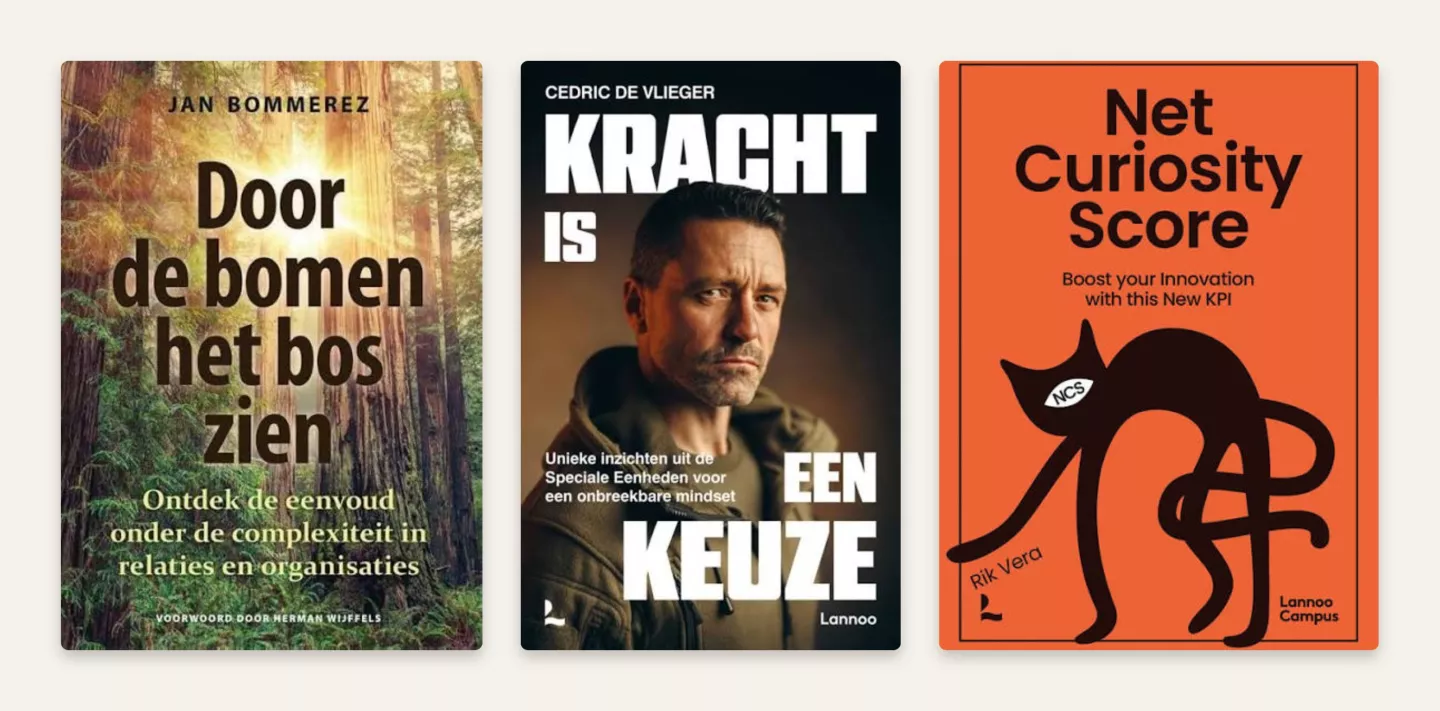
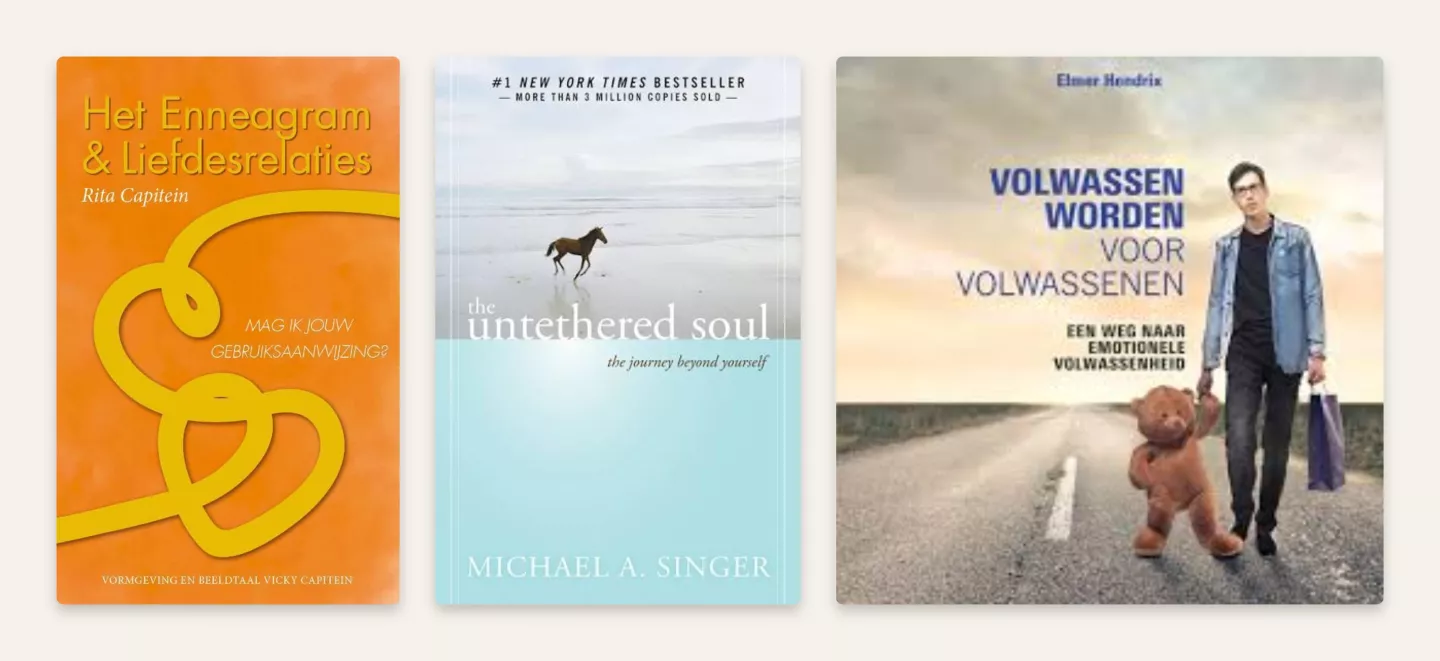
Volwassen worden voor volwassenen - Elmer Hendrix
Johan Van Eeckhout, PCC coach, is gespecialiseerd in het coachen van CEO's en directieteams van middelgrote tot grote organisaties in België en Frankrijk. Hij begrijpt die wereld van binnenuit — mensen die dagelijks strategische beslissingen nemen, teams aansturen en onder hoge druk presteren.
Volwassen worden voor volwassenen van Elmer Hendrix raakt hem precies daar. Want wie echt leiderschap wil uitoefenen, moet eerst zichzelf kennen — als mens, niet alleen als professional. Hendrix neemt je mee in een eerlijk en diepgaand proces van zelfonderzoek: hoe patronen uit je verleden doorwerken in wie je vandaag bent, en hoe je bewuster kunt kiezen wie je wilt zijn. Voor leiders die het verschil willen maken — bij anderen én bij zichzelf.
Naast dit boek volgt Johan ook aandachtig de wereld van AI — wie aan de top staat, kan die evolutie niet missen. Volg Johan op LinkedIn
En wie meer van Elmer Hendrix wil meepakken: hij komt volgend jaar een online expertsessie geven in onze Academy — ditmaal over microtrauma's, de kleine herhaalde ervaringen die ons gedrag en onze relaties onbewust sturen. Een thema dat nauw aansluit bij dit boek.
Schrijf je in voor de expertsessie met Elmer Hendrix over microtrauma's
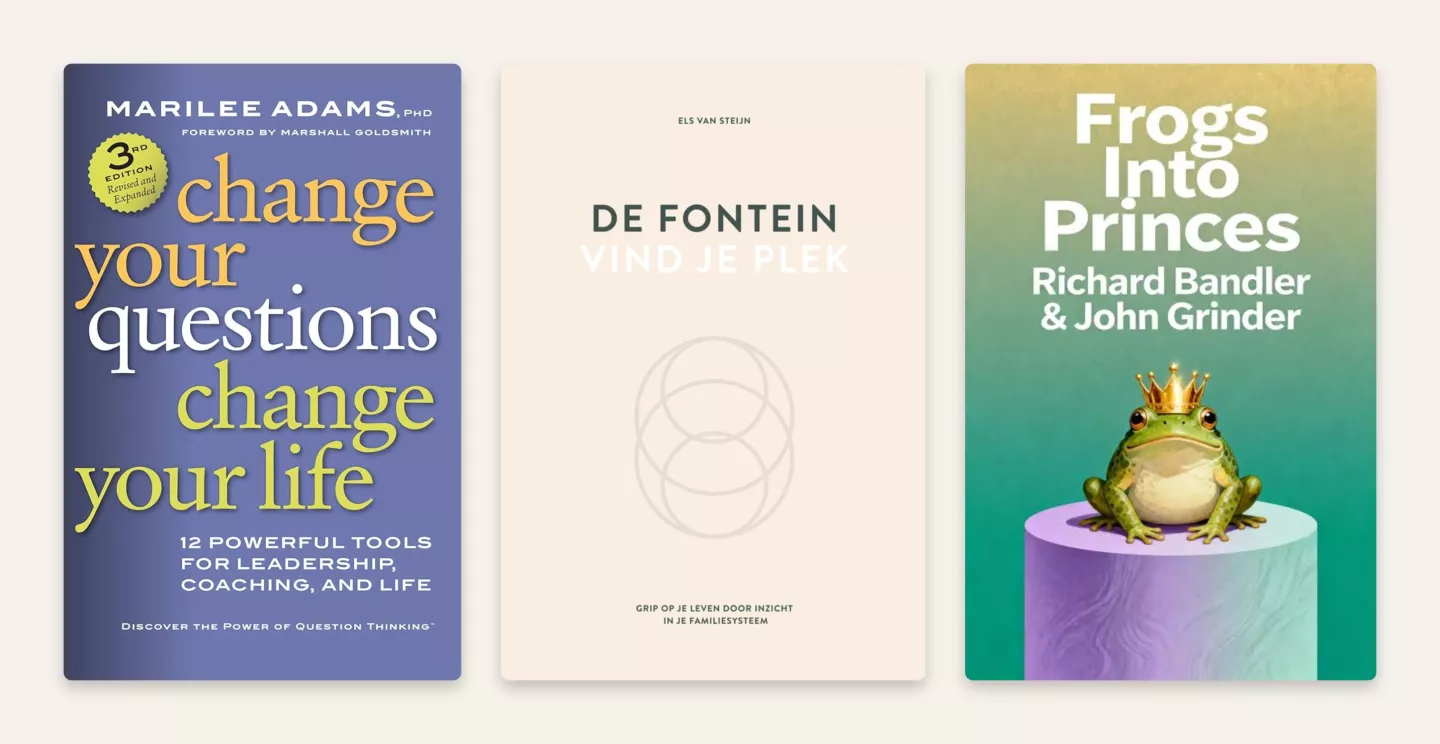
Change your questions, change your life - Marilee Adams
De vragen die je stelt, bepalen de antwoorden die je krijgt — en uiteindelijk het leven dat je leidt. Dat klinkt eenvoudig, maar Marilee Adams maakt in haar internationale bestseller Change your questions, change your life (meer dan 400.000 exemplaren verkocht) iets fundamenteels duidelijk: de meeste mensen stellen onbewust de verkeerde vragen. Vragen vanuit angst, oordeel of schuld — wat er mis is, wie er fout zit, waarom het altijd zo moet gaan.
Adams introduceert het concept van de Learner vs. Judger mindset: wie leert vragen vanuit nieuwsgierigheid en openheid, ervaart niet alleen meer succes, maar ook rijkere relaties en een steviger gevoel van eigen regie. Voor coaches, leidinggevenden en teams is dit boek meer dan inspiratie — het is een werkbaar kader. Want goede samenwerking op de werkvloer begint niet met betere processen of meer vergaderingen. Het begint met de vragen die mensen zichzelf en elkaar stellen. Dat soort vragen creëert een cultuur van verantwoordelijkheid en verbinding. En dat is precies waar Marijke dagelijks mee werkt.
Marijke van Moldergem is MCC coach en trainer van de opleiding tot professioneel ICF-gecertificeerd coach en van de Masterclass Teamcoaching — samen met Christine. Twee opleidingen, een rode draad: coaches en leidinggevenden die het verschil willen maken, voor individuen en voor teams.
Frogs into Princes - Richard Bandler & John Grinder
ACC gecertificeerd coach, trainer en NLP addict — Eva Declercq is al een tijdje diep gefascineerd door het meest iconische boek over Neuro-Linguistisch Programmeren. NLP gaat over de manier waarop taal, denken en gedrag met elkaar verweven zijn. Het helpt je communicatie krachtiger te maken, patronen te doorbreken en gedrag bewust te sturen — bij jezelf en bij anderen.
Frogs into Princes was baanbrekend toen Bandler en Grinder het schreven op basis van hun studiewerk van de grootste therapeuten van hun tijd — Milton Erickson, Virginia Satir, Fritz Perls. Ze stelden een centrale vraag: wat doen uitzonderlijk effectieve communicatoren anders? Het antwoord werd de basis van NLP. Eva greep dit boek niet toevallig: als gedreven communicator en coach weet ze hoe krachtig taal is als instrument voor verandering.
Voor ondernemers, coaches en leidinggevenden is NLP geen luxe — het is een strategisch voordeel. Wie bewust leert communiceren, beinvloeden en patronen herkennen, presteert beter onder druk, bouwt sneller vertrouwen op en creëert meer impact in elk gesprek. Precies dat brengt Eva in de praktijk.
Vanaf dit najaar geeft Eva de opleiding NLP for Business, in samenwerking met HRD Academy — voor wie taal en gedrag bewust wil inzetten in een professionele context.
Meer info en inschrijven: NLP in Business bij HRD Academy
De fontein, vind je plek - Els van Steijn
Over je familiesysteem — en hoe dat systeem impact heeft op je leven, je energie en je patronen. Soms ligt de sleutel tot wie je bent niet in de toekomst, maar in wat er al was. De fontein, vind je plek, geschreven door Els van Steijn is een diepgaand en ontroerend boek dat verbindt — en dat Heidi niet zomaar heeft gelezen.
Want Heidi De Roo werkt vanuit dezelfde overtuiging als Els van Steijn: veel van wat mensen blokkeert in hun werk, hun relaties en hun groei heeft wortels die dieper liggen dan de oppervlakte. Inzicht in je systeem is geen zachte luxe. Het is een krachtige hefboom voor echte, duurzame verandering. Die combinatie van diepgang en praktische toepassing is precies wat Heidi meebrengt in haar werk als coach en trainer.
Heidi organiseert ook yogasessies — en die zijn er niet zomaar voor de ontspanning. Yoga is voor een bedrijfsleider, leidinggevende of enthousiaste professional een krachtig instrument om terug in contact te komen met zichzelf. Het traint niet alleen het lichaam, maar ook het vermogen om te vertragen, focus te hervinden en vanuit rust beslissingen te nemen. In een wereld die continu van je vraagt om aan te staan, is dat een strategische vaardigheid. Heidi begeleidt je daarin op een toegankelijke, warme manier — of je nu een beginneling bent of al jaren op de mat staat.
Meer info over yoga en coaching bij Heidi: www.coaching-connect.be
Wat lees jij deze zomer?
Laat je inspireren, pak een van deze boeken, en wie weet kom je de zomer uit met een nieuw inzicht, een nieuwe vraag of een nieuwe richting.
Coaching The Shift begeleidt organisaties in groei met leiderschapsontwikkeling, (team)coaching en opleidingen. Ontdek ons volledige aanbod op www.coachingtheshift.be.
Veelgestelde vragen over coaching, leiderschap en persoonlijke groei
Inschrijven voor onze nieuwsbrief?
Other relevant articles





How do you stimulate employee development? Create a strategic coaching policy in 7 steps!