The difference between performance & breakthrough coaching
What is the difference between performance and breakthrough coaching?
Both forms of coaching serve different purposes, yet they also overlap. Many of the techniques used remain the same, and change at a breakthrough level often has an impact on results as well. How do you work with both approaches, and what can you do with them after completing a coaching trajectory?

Johan Van Eeckhout

In the previous article, we talked about the renewed pathway to becoming a professional and accredited coach. We already mentioned the split into two sub-tracks: performance and breakthrough coaching. These two forms of coaching have different goals and applications, but they also complement each other. So what exactly is the difference between performance and breakthrough coaching? What can you do after completing both sub-tracks, and how do you become a certified coach through this pathway?
- The difference between performance & breakthrough coaching
- What is performance coaching?
- The goal of a performance coach
- What is breakthrough coaching?
- The goal of a breakthrough coach
- Professional coach training
The best coaching tools, tips & insights delivered monthly to your inbox! Sign up for our newsletter.
The difference between performance & breakthrough coaching
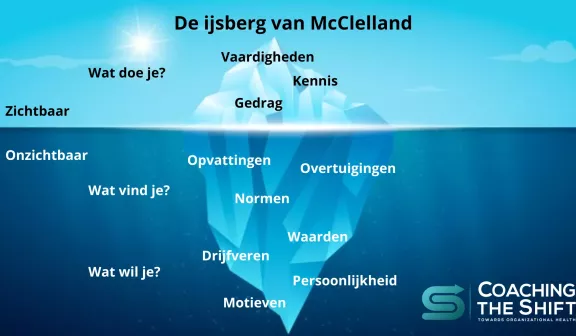
On the one hand, performance coaching mainly focuses on what lies above the waterline. Here we talk about the coachee’s environment, behavioral patterns, knowledge, and skills. The goal is to improve results by making changes in behavior. This is sometimes also referred to as single-loop learning.

On the other hand, breakthrough coaching focuses more on what is invisible—what is happening internally, such as thoughts and emotions. A breakthrough coach explores a person’s beliefs, self-image, and life goals at a deeper level. The emphasis is on personal growth by creating change in the coachee’s self-perception, beliefs, and overall attitude.

Both forms of coaching have different objectives, yet they influence each other. A change at the level of breakthrough coaching will also have an impact on the coachee’s behavior and results. The difference between performance and breakthrough coaching therefore lies in the logical levels at which they operate.

In general, performance coaching is less complex because the coachee already has a clear sense of where they want to go. The coach helps clarify these goals and translate them into concrete actions.
Breakthrough coaching, however, is more complex. Here, the coachee aims to discover themselves and continue their personal development. The coaching trajectory focuses on exploring and questioning thoughts, assumptions, emotions, and behaviors. The techniques used may be similar, but they serve a different purpose.
Are you ready to make your shift toward becoming a professional coach? Discover our accredited training program!
What is performance coaching?
Performance coaching is often goal-oriented and transactional. The coachee has a specific goal or vision in mind and seeks support to achieve it. The coach acts as a sounding board and helps the coachee make changes in behavior in order to achieve better results.
A performance coach helps clarify personal goals and translate them into a feasible action plan. This is done through active listening and asking targeted questions. As a coach, you think along with the coachee and offer tools and resources that support improved performance.
In addition to breaking down goals into concrete actions, you also monitor progress together. You support the coachee in overcoming obstacles and developing better habits. At the same time, you stimulate reflection and self-awareness so the coachee takes greater ownership of their own development journey.
The goal of a performance coach
The goal of performance coaching is simple: achieving better results. You address questions such as: what are you doing now, and what can you do differently to improve outcomes?
Performance coaching also helps the coachee develop a growth mindset. The coachee learns to think in terms of opportunities rather than obstacles. You challenge the coachee to step out of their comfort zone and support them in acquiring new knowledge or skills.

A performance coach is often engaged within organizations to develop core skills such as time management, communication, and problem-solving. In this context, the coach supports the learning process and provides practical tips to help individuals work more productively and in a more goal-oriented way.
Finally, the performance coach encourages reflection and self-awareness. As a result, the coachee is able to adjust their own behavior independently even after the coaching trajectory has ended. The coachee actively seeks feedback and knows how to translate it into concrete actions.
What is breakthrough coaching?
Breakthrough coaching is often transformational and person-centered. The coachee frequently experiences a sense of discomfort because their way of living is not aligned with their own norms and values. A coach supports this process by creating deeper insight into the unconscious beliefs that unintentionally sustain this reality.
A breakthrough coach helps uncover this reality by using questions and exercises that increase the coachee’s self-awareness. They support the recognition of limiting beliefs and automatic thought patterns, and then help transform these into empowering beliefs that support the coachee in achieving their goals.
From this heightened awareness, the coachee—supported by the coach—can build a new identity based on consciously chosen values and norms, and begin to act from this framework. As a result, the coachee’s self-confidence and self-image often increase.
The goal of a breakthrough coach
Over the course of our lives, we often lose our sense of playfulness, originality, and unique worldview. Life experiences and the people around us shape our thinking—and therefore our lives. As a result, we often lose connection with ourselves. People may feel lost, stuck, or confused.
They long for a more fulfilling life in which they are in charge of their own thoughts, emotions, and behavior—rather than the other way around. To achieve this, they often seek the support of a breakthrough coach. This coach helps uncover unconscious values and beliefs so the coachee can reconnect with their inner foundation.
You explore questions such as: What do you believe in? What do you want to achieve? What impact do you want to leave? Who do you want to be as a person? Breakthrough coaching helps you better understand who you are—and who you want to become. By acting from this consciously chosen framework, you develop greater self-confidence, determination, and fulfillment.

Professional coach training
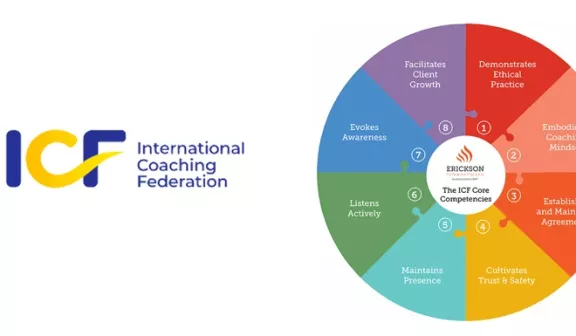
You can also follow the pathway to becoming a professional coach as a complete program. In this case, the first module focuses on performance coaching, while the second module goes deeper into breakthrough coaching. After completing each module, you receive a certificate of participation. Finally, after successfully finishing both sub-tracks, you can become accredited as a professional coach by the International Coach Federation (ICF).
Discover more about the benefits of an ICF-accredited training program and how you can become a certified coach.
Veelgestelde vragen over
performance coaching en breakthrough coaching
Inschrijven voor onze nieuwsbrief?
Other relevant articles