3 Types of Appreciation to Enjoy the Moment More!
Happiness is learning to enjoy what is already there. We do this far too little. Often, we are too busy worrying about what is not going well, what is missing, or what is still to come. Do you dare to give recognition to yourself (self-appreciation), but also express appreciation for others? Can you shift your perception to genuinely enjoy the moment?

Dorothée Willems

Enjoying the Moment. We do it far too little. Often, we are too busy worrying about what is not going well, what is missing, or what is still to come. Happiness is enjoying what is already there. It means giving recognition to yourself (self-appreciation), but also expressing appreciation for others. Can you shift your perception to genuinely enjoy the moment?
- What do you enjoy?
- What is appreciation?
- Forms of appreciation and recognition
- How can you increase self-appreciation?
- Happiness is enjoying what is
What is appreciation?
Appreciation is learning to enjoy the moment. It is a form of gratitude and recognition in which you find happiness in small aspects and then amplify them. Appreciation is therefore also a matter of perception. You choose to fully live in the moment and to fully embrace the experience.
You could say that you turn up your internal volume knob so you can enjoy something more. For example, we become more attentive to the “here and now” and dare to express appreciation more easily. Can you enjoy the small things in life, or do you remain stuck in constant worry about the future or the past?
Forms of appreciation and recognition
Appreciation is a form of perception in which you amplify your focus on things you are grateful for. It often goes hand in hand with recognition, where you express gratitude and appreciation for the actions of yourself or others.
In general, there are three forms of appreciation:
Giving appreciation & recognition
Just as we often seek appreciation and recognition ourselves, other people do too. You can therefore make a huge difference in someone’s day by sincerely expressing what you appreciate. For example, by showing appreciation to a colleague.
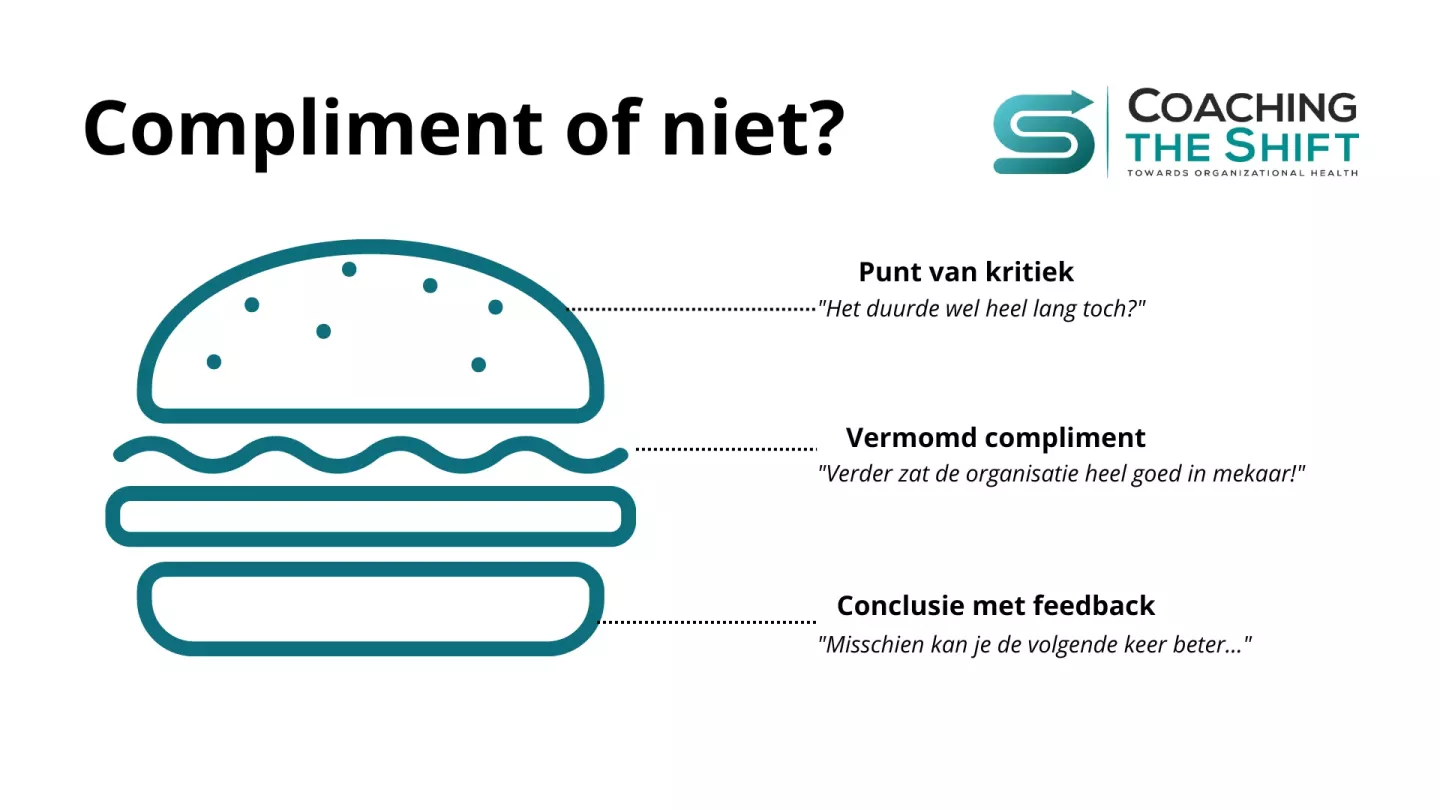
Do you dare to express appreciation spontaneously? And do you keep your compliment genuine, or do you turn it into a feedback sandwich? For example:
“This meeting was already much better. You organized this very well! Just keep in mind next time that…”
Being Appreciated
Besides giving recognition, we naturally also want to be appreciated ourselves. Yet many people struggle to accept genuine appreciation. We are often quick to respond with remarks such as, “I think it could still be better,” or “That’s nothing special, anyone could do that.”
Do you allow compliments, or do you brush them off? Do you internalize what people say to you, or do you consider it unimportant?
We challenge you to sincerely listen and appreciate the next compliment you receive. Don’t dismiss it — instead, say a genuine thank you. After all, there is nothing better than finding happiness in the happiness you have created for others.
Self-Appreciation
Self-appreciation is a form of appreciation directed toward yourself. Often, we criticize ourselves based on what did not go well. For example, we keep worrying about that last task we did not finish, even though 9 out of 10 tasks were completed. Perfectionists, or people who grew up with critical parents, may especially struggle with this.
Giving yourself recognition means pausing and enjoying what did go well. It means appreciating who you are, what you do, and what your intentions are. Do you give yourself a pat on the back from time to time?
How can you increase self-appreciation?
Self-appreciation means giving yourself recognition for who you are, what you do, and what you stand for. It involves appreciating all aspects of yourself — including the less perfect ones. Think of aspects such as your personality, knowledge, skills, strengths, and weaknesses.
Self-appreciation is therefore crucial for a healthy self-image. Your internal dialogue shapes your sense of self-worth and influences your confidence, actions, and results.
- “Self + worth + honoring = self-appreciation”
- Self – Accepting and embracing all aspects that make you who you are, including your imperfections.
- Worth – What you stand for and believe in. How strong is your sense of self-worth?
- Honoring – Do you show appreciation and recognition for your values and for yourself as a person?
In short, stay true to your values. This means standing up for what you believe in — not only through words, but also through actions. When you act in alignment with your values, your sense of self-worth increases, resulting in greater confidence and motivation.

In other words, you align your real self with your ideal self, which not only influences your internal self-image but also your external perception and results. However, be careful not to become rigidly attached to your values. People often identify themselves with what they do or what they stand for, but you are much more than a set of values. Self-identification can also create blind spots. True values continue to evolve alongside our personal growth as we gain new life experiences.
Happiness is enjoying what already exists!
In short, appreciation means being satisfied with what is already going well. It is about accepting yourself and reality as they are — including the ebb and flow of life. It is important not to give up when obstacles arise or when things go wrong.
Many people, for example, tend to criticize themselves throughout their learning process. Instead of focusing on the progress already made, we concentrate on what went wrong or what is still missing. This self-judgment or perfectionism leads to overthinking, making it easier for people to fall back into old habits.
Appreciation and recognition are therefore essential for creating sustainable transformation. Dare to celebrate progress and offer recognition as a coach — but also dare to give recognition to yourself. Practice self-appreciation and gratitude by expressing them. What are you grateful for? What can you genuinely enjoy? And to whom would you like to express your appreciation?
Join the conversation on LinkedIn!
Veelgestelde vragen over Zelfwaardering & Erkenning uitspreken
Inschrijven voor onze nieuwsbrief?
Other relevant articles