Acceptance & Letting Go
Focus on the Future!
Learning to let go is a skill that is not always easy, but it is essential for personal and professional development. By accepting what you cannot change, you can shift your focus to the future and to what you can influence. This way, you avoid getting stuck in the past.
Johan Van Eeckhout

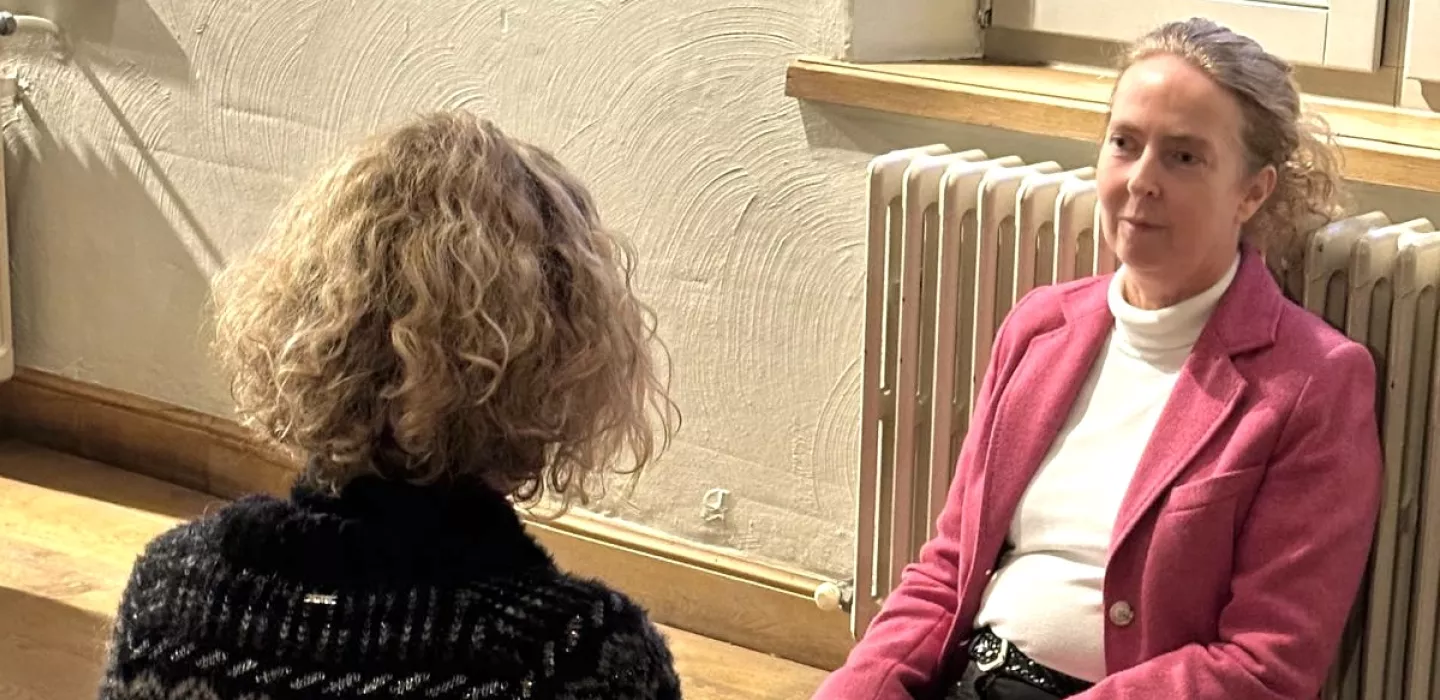
Letting go can sometimes be difficult, but it is an underestimated skill in both professional and personal contexts. Whether it concerns thoughts, habits, beliefs, or even control, letting go is part of life and personal development. “Learning to let go” is therefore a theme we often address during our individual coaching programs.
Stop clinging to the past and learn to move forward with new experiences—and sometimes a new reality.
- Not Being Able to Let Go – Staying Stuck in the Past
- Learning to Accept and Let Go Through Individual Coaching
- Letting Go Exercises
- 4 Steps in Personal Development That Help You Let Go

Not Being Able to Let Go – Staying Stuck in the Past
Letting go can sometimes be difficult—and that is completely normal, especially when it involves impactful aspects such as people, experiences, habits, beliefs, fears, and more.
People often remain stuck in the past because they are afraid of change in the future. A new way of thinking, feeling, and acting is uncertain and unpredictable, which can trigger fear and resistance.
However, not being able to let go can have serious consequences for a person’s well-being and personal development:
- Staying stuck in the past: You keep replaying what-if scenarios in your mind. What if I had done this differently? Or what if I had said that?
- Lack of growth: Fear of change prevents you from evolving. You remain stuck in the analysis phase and never truly take action.
- Low self-esteem: Constant self-doubt often leads to a loss of confidence and self-worth.
These are themes we frequently explore during individual coaching programs. What makes it difficult for you to let go? And how does this—consciously or unconsciously, willingly or unwillingly—keep you anchored in your current reality?
Learning to Accept and Let Go Through Individual Coaching
Accept what you cannot change and learn to let go of control. There is no point in spending a lot of energy on factors you have no influence over.
A practical exercise we often use in individual coaching is “The Circle of Control.”
- The Circle of Control
These are the things you have direct control over, such as your thoughts, emotions, actions, and beliefs. Although they are often influenced by the people around us, it is important to deal with them consciously and proactively. - The Circle of Influence
This circle relates to the decisions or actions of the people around you. While others have the final say, you can often exert influence to impact those decisions. - The Circle of Concern
This includes factors that affect you—directly or indirectly—but over which you ultimately have no control. Focusing too much on these issues only leads to increased worry and stress.
Through individual coaching, you learn to shift your focus toward what you can control and influence, creating more clarity, calm, and forward movement.

Letting go therefore also means learning to accept. Life is a beautiful journey of discovery, full of ups and downs. Things come and go, and it is important to accept this natural cycle of life so you can move with the flow.
Letting Go Exercises
One exercise to help you learn acceptance and letting go is the mantra:
“This too shall pass.”
"Is everything going wrong right now? Does it feel like nothing works out for you, no matter what you try? This too shall pass. It’s okay to feel bad for a while, as long as you don’t believe that life is working against you."
Or:
"Have you just experienced one of the best moments of your life? Does everything seem to be going perfectly? This too shall pass. Enjoy it to the fullest, and don’t let one or more setbacks discourage you!"
4 Steps That Help You Let Go for Personal Development
Accept what you cannot change and focus on what you do have control over. In other words, accept the past, let it go, and look toward the future. Identify what you can change to improve your own life and/or the lives of the people around you:
1) Become Aware
Before you can let something go, you first need to acknowledge that you are holding onto it. Otherwise, it keeps floating around in your subconscious, and the underlying issue is never truly addressed or confronted.
What are you holding on to? Which beliefs, thoughts, or habits do you continue to cling to, even though you intuitively know they no longer serve you?
2) Make Space for the Grieving Process
Realize that what you are feeling now is not permanent. It is okay to feel uncomfortable. Allow yourself the time to experience and process your emotions. Often, this is a signal from our body and mind that we need to slow down.
Grief can take many forms and is different for everyone. It is not limited to the loss of a loved one—it also appears in everyday life. For example, it is completely normal to go through a grieving period between two jobs. This phase allows you to reflect and readjust to daily life. This, too, is a form of personal development.
3) Reframe and Let Go of Control
The third step in learning to let go is reframing. In short, you broaden your perspective so you can give the past a place. This might be done, for example, by looking back on a positive memory.
This renewed perspective also changes how you deal with the situation. You may unconsciously start looking for success experiences that confirm your new outlook. Consider the example below:
“You are only as old as you feel.”
Growing older can be confronting for many people. We may believe that we are less capable physically or mentally, or that the world views us differently because of our age. However, by focusing on the positives—years of life experience, wisdom, and achievements—you can completely reframe this narrative. People may, for instance, have more reason to listen to you or look up to you.
4) Let Go of the Past and Create a New Path
In this step, you leave the past behind and focus on the future. You replace old habits or patterns with new, healthier ones. With a renewed perspective and consciously chosen, empowering beliefs, you can move forward on a new path.
Letting go and accepting are not end goals, but skills that support your ongoing personal development. Through individual coaching, you receive guidance tailored to your unique situation. You learn how to grow—even from difficult experiences.
Start working on your personal development with customized individual coaching!
Other relevant articles