What is the difference between intervision, supervision & intervention?
What is the difference between intervision, supervision, and intervention? Coaching includes many different practices and definitions, which can sometimes lead to confusion. To reduce this confusion, we created a very simple overview. How do the goals and approaches of intervision, supervision, and intervention differ? And what is the difference between supervision and mentor coaching?
Tom Versée

What is the difference between intervision, supervision, and intervention? Coaching encompasses many different practices and definitions, which can sometimes lead to confusion. To reduce this confusion, we created a very simple overview. What is the purpose of intervision, supervision, and intervention? And what is the difference between supervision and mentor coaching?
Discover in this article:
- The difference between intervision, intervention, and supervision
- What intervision means
- The meaning of intervention
- What is supervision?
- What is the difference between supervision and mentor coaching?
The difference between intervision, supervision, and intervention
Intervision, supervision, and intervention are all methods used in coaching and leadership. While they share certain similarities, each method has a distinct purpose. The way interaction takes place differs depending on the approach.

What does intervention mean?
Intervention is a tool or method through which you step into the coachee’s reflection process. The purpose of an intervention is to raise awareness of certain behaviors, attitudes, or thought patterns. For example: a passive team member, or an employee who is consistently late.
You can therefore view interventions as a way of giving feedback. They enable the other person to make a shift in their behavior, mindset, or attitude. You start from a positive intention and believe in the other person’s capacity to change. By applying pacing and leading, you help open the coachee’s eyes without coming across as confrontational. In this way, you create awareness around blind spots.

This can be done, for example, by mirroring, questioning, allowing silence, reframing, and more. Once you consciously apply these techniques to facilitate greater awareness, we speak of an intervention.
What is supervision?
Finally, there is supervision. In supervision, you are guided by a senior professional or supervisor. Together, you reflect on work experiences in order to learn and improve your professional practice. This also plays an important role in the world of coaching.
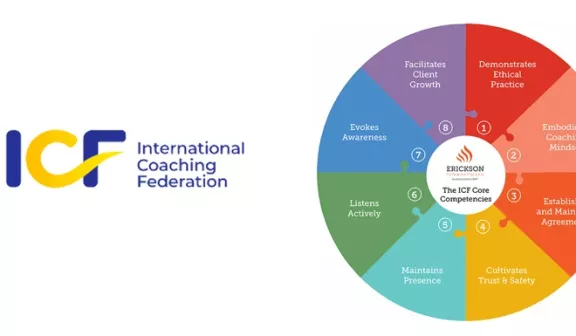
The definition of supervision according to the International Coach Federation is as follows:
“A collaborative learning practice to continually build the coach’s capacity through reflective dialogue for the benefit of both coaches and clients.”
In other words, the purpose of supervision is to foster reflection and awareness in the coachee (the coach). This often happens with the support of observed coaching sessions or recorded conversations. Together with the supervisor, you review several coaching sessions and reflect on what is already working well and where there is room for improvement.
You then take these learning points forward into your ongoing development as a coach. Supervision is an essential part of professional development, the learning process, and the growth of a coach. It is part of the certification process and is also included in Certified Coach Foundations and other ICF-recognized training programs.

The difference between supervision and mentor coaching
Although there are many similarities, the International Coach Federation clearly distinguishes between supervision and mentor coaching. But what exactly is the difference? And how is mentor coaching different?
On the one hand, supervision offers a broader perspective on the support and development of the coach. It focuses on reflection and professional competence development, but also on the well-being and personal development of the coach (or coachee).
On the other hand, mentor coaching is more specifically focused on developing coaching competencies and building skills within these core competencies. Mentor coaching supports coaches in reaching a specific coaching level so they can obtain an ICF credential or accreditation.
What is mentor coaching?
The definition of mentor coaching according to the International Coach Federation is as follows:
“Mentor coaching for an ICF credential consists of coaching and feedback in a collaborative, appreciative, and dialogic process based on an observed or recorded coaching session, with the goal of enhancing the coach’s coaching abilities in alignment with the ICF Core Competencies.”
The purpose of mentor coaching is to provide professional support in demonstrating coaching competencies at an ICF-aligned level. This process takes place over a minimum of three months (or longer), allowing the coachee to continue developing in between sessions. Mentor coaching is also included in the Certified Coach Foundations program.
Mentor coaching therefore plays an essential role in a coach’s development. For example, if you want to obtain an ICF credential or renew an existing one, completing 10 hours of mentor coaching is mandatory.
Too often, we see beginning coaches searching for shortcuts. While the Certified Coach program is rich in valuable models, approaches, and insights, it is not the tools that make great coaches. It is experience — the practice of the craft. By working with a mentor coach or supervisor, you develop yourself in the areas that truly matter, receiving feedback and guidance from coaches with 1,000+ hours of experience.

Veelgestelde vragen over
intervisie, supervisie en interventie
Inschrijven voor onze nieuwsbrief?
Other relevant articles